The research, conducted by Reach Online Safety Editor Dr Rebecca Whittington, analysed 517 distinct online safety reports logged by journalists across Reach’s network of more than 120 titles between January 1, 2022, and May 31, 2026.
This dataset provides critical evidence regarding the scale, nature, and impact of digital threats directed at working journalists, says the publisher. It offers evidence of a misogynistic playbook which could inform new approaches to tackling online harm.
Key research findings:
- Rapidly escalating threat: Recorded cases of online abuse doubled in 2025 compared to 2024, signaling an accelerating culture of digital hostility.
- Disproportionate impact on women: Female journalists accounted for the majority of all reported safety incidents and faced significantly higher levels of extreme risk, with 40% of misogynistic abuse categorised as high or very high risk.
- Personalised harassment tactics: The single most frequent tactic in abuse targeting women was direct, highly personalised targeting using the journalist’s first or full name to establish psychological intimacy and threat.
- Main theme of abuse: Almost half of misogynistic abuse recorded was designed to shame or degrade women journalists either personally or professionally.
- Impacts on sector diversity: Women of colour in journalism bear the dual weight of racist and misogynistic online abuse. When this intimidation drives women out of public life, it directly harms diversity across our industry, limiting who gets to tell the stories and the variety of perspectives being heard.
- Chilling effect on public interest reporting: In-depth interviews showed that online violence directly damages confidence, instills persistent personal safety concerns, and forces career modifications or reduced public visibility. Participants expressed fear around threats being carried out or perpetrators arriving at their home, place of work or recognising them or staff members while they were commuting.
- Systemic accountability deficits: Existing platform policies, reporting systems and police responses were found to be largely ineffective, leaving victims with a heavy burden of reporting and a lack of accountability for perpetrators.
The research has also been brought to life in a short documentary, published by the Mirror today. The investigative film, titled Occupational Hazard: The War on Women Online includes testimonies from four women who have experienced online violence connected to their work. One of the women had subsequently changed job roles to one which had less public visibility as a result of the impact of online violence.
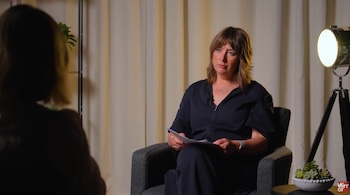
Dr Rebecca Whittington, online safety editor at Reach plc, said: “I have witnessed forms of abuse online from a professional perspective for the past five years. The research outlined here demonstrates quite clearly that there is a higher rate of abuse against women and a greater risk to their professional and personal safety than men typically face.
“The evidence of misogynistic abuse has been apparent in the cases I have worked on since 2021. However, what has changed more recently is the number of individual events. In 2025, I recorded double the online abuse cases of the year previous. The rates of misogynistic online attacks are visibly increasing, yet no sufficient action is being taken to break this worrying trend.”
Chloe Hubbard, editor-in-chief, the Mirror, said: "This research lays bare what many in our industry have experienced: online abuse designed to intimidate, humiliate, and discredit female journalists. The data from more than 500 reports of online hate across Reach titles exposes the relentless hostility our reporters face simply for doing their jobs. Online abuse should never be tolerated as the price of a career in our industry.
“It is clear without a wider change to regulation of platforms and greater repercussions for abusive behaviours, women in public roles will continue to be abused online.”
Keep up-to-date with publishing news: sign up here for InPubWeekly, our free weekly e-newsletter.