The best CEOs of today are very different to the best ones of thirty or forty years ago.
Those leaders developed their careers in times of relative calm and certainty, where what was expected of them wasn’t that different to what was expected of their predecessors.
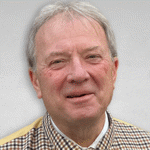
That that has changed was the main takeaway from Lisa Smosarski’s chat with former Smash Hits editor, IPC board member and currently one of Lord Sugar’s star interviewers on The Apprentice, Mike Soutar, who, as luck would have it, had just written a book which he was happy to talk about at the PPA Festival.
His book – Next Gen CEO: 60 Lessons for Leaders in an Uncertain World – is an analysis of what it takes to be a great leader in today’s fast-changing world.
Great CEOs today, in a world where rapid transformational change is a constant, Mike said, display three non-negotiable characteristics. They have:
- Self-belief: They must be able to look themselves in the mirror each morning and believe, “I am the best man / woman to lead this team”. If they don’t believe it, no one else will. Such self-belief means that they are willing to take risks, occasionally fail, but when they do fail, and this is critically important, bounce back quickly.
- Relentless optimism: It is their job as a leader to take people and lead them into uncertainty, and no one follows a pessimist! This is not naivety or blind optimism. We don’t need CEOs who stand on the cliff edge hoping they’ll sprout wings. This is about having a plan.
- Appetite for hard work: Great CEOs have the capacity to work harder than anyone else! They are not workaholics and this is not about creating a toxic see-who-leaves-first work culture, nor is it about being just “too busy” to make time for employees who need ten minutes of their time occasionally.
Tactical vs strategic
Mike had lots of other top tips for aspiring CEOs. He talked of the importance of staying strategic. To do that, it helps if you can tell the difference between decisions that are ‘tactical’ and those that are ‘strategic’.
In times of uncertainty, with ever lengthening lists of options and decisions to be made, many confuse the two.
The difference is, a tactical decision is one you can get wrong without imperilling the business. A strategic decision, on the other hand, is more of a one-way gate – get that wrong and it’s very difficult to come back from. He advises business leaders to take a piece of paper and divide it into two columns, one headed ‘tactical’, the other ‘strategic’ and allocate decisions between the two. One column will have lots of lines, the other probably two or three.
Being able to clearly identify and make tactical decisions at speed can give your organisation great momentum.
Self-awareness
“What questions should our elite leaders be asking themselves,” asked Lisa. Mike suggested five:
- Am I still learning faster than the world is changing? The best CEOs should commit to constantly be unlearning and relearning.
- When did I last change my mind? Being able to see when you’ve got something wrong and change course is evidence of strength and creates a ‘best-argument-wins’ culture.
- Does everyone here know why we exist, beyond making a profit? Companies and the teams that work in them need a noble purpose. Yes, profit is vital, but it’s not the only thing.
- Am I doing something that nobody has ever done before? In a world of chaos, best practice makes you competent, but bravery (ie new ideas) makes you unforgettable.
- Do I act from courage or from fear? If it’s the latter, you see disasters happening; the former on the other hand allows you to imagine possibilities.
And the key tool the modern CEO needs? Curiosity.
In times of head-spinning uncertainty, no one has all the answers. That degree of certainty which CEOs of the 80s and 90s possessed is not possible anymore. In those days, bosses were expected to have all the answers. The best ones nowadays, said Mike Soutar, are the ones who know which questions to ask.
An earlier and shorter version of this article was published in the 11th June edition of InPubWeekly.